Vitamin H (Biotin) and Udder Health: Strengthening Teats, Lowering SCC & Preventing Mastitis
Dr. Surender Soni, B.V.Sc & A.H.
Veterinary Nutritionist & Technical Director
The bovine mammary gland is an extraordinary biological factory capable of synthesizing tens of liters of milk every day. However, high-yielding dairy cattle are intensely vulnerable to environmental pathogens, physical teat trauma, and microbial invasion. Mastitis—both clinical and sub-clinical—remains the costliest disease in the global dairy sector. Protecting udder parenchyma, enhancing teat canal defense mechanisms, and minimizing Somatic Cell Counts (SCC) requires focused nutritional fortification with Vitamin H (Biotin), fat-soluble vitamins, and organic micronutrients.
The First Line of Defense: Teat Canal Keratin and Sphincter Muscles
The bovine teat canal (streak canal) is the primary physical and biochemical barrier preventing bacterial entry into the udder cistern. The lining of the teat canal is composed of stratified squamous epithelium that continuously produces keratin—a fibrous, waxy protein plug rich in esterified fatty acids (myristic, palmitoleic, and oleic acids).
Keratin functions as an active germicidal barrier:
The Biochemical Role of Vitamin H (Biotin) and Synergistic Vitamins
When dietary intake of specific co-factors is inadequate, the rate and structural density of keratin synthesis slows, leaving the teat canal wide open to bacterial invasion.
1. Vitamin H (Biotin)
Biotin is an indispensable water-soluble B-complex vitamin that acts as an essential co-enzyme for four carboxylase enzymes involved in fatty acid synthesis, gluconeogenesis, and protein metabolism. In the mammary gland and hooves, Biotin accelerates cell proliferation and keratinization. Controlled veterinary trials demonstrate that therapeutic Biotin supplementation:
2. Vitamin A & Beta-Carotene
Maintains mucosal epithelial integrity throughout the mammary glandular alveoli and stimulates phagocytic neutrophil activity against invading bacteria.
3. Vitamin E & Organic Selenium
Act as potent lipid-soluble cellular antioxidants. They protect cell membranes against peroxidative damage and dramatically accelerate the speed at which white blood cells (neutrophils) migrate to mammary infection sites.
4. Chelated Zinc & Amino Acids
Zinc is a mandatory co-factor for DNA polymerase and protein synthesis. Amino acids like L-Lysine and DL-Methionine provide structural building blocks for keratin and mammary connective tissue.
Comprehensive Udder Fortification with SONVITA H ADVANCE
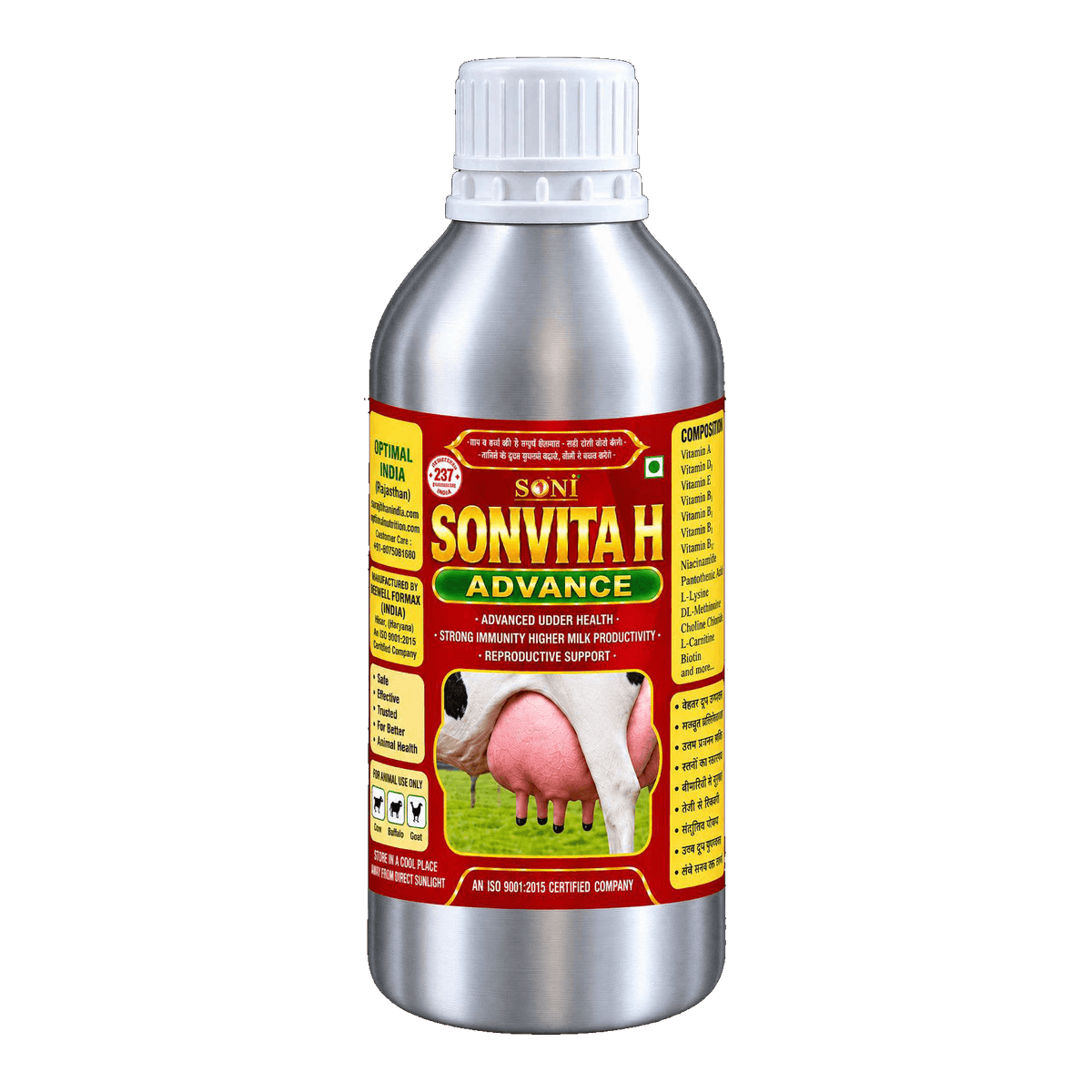
Packaged in a protective light-shielding aluminum container to safeguard light-sensitive vitamins from photo-degradation, SONVITA H ADVANCE provides high-potency nutritional support:
Application Protocols for Dairy Herds
To achieve optimal udder conformation and disease resistance:
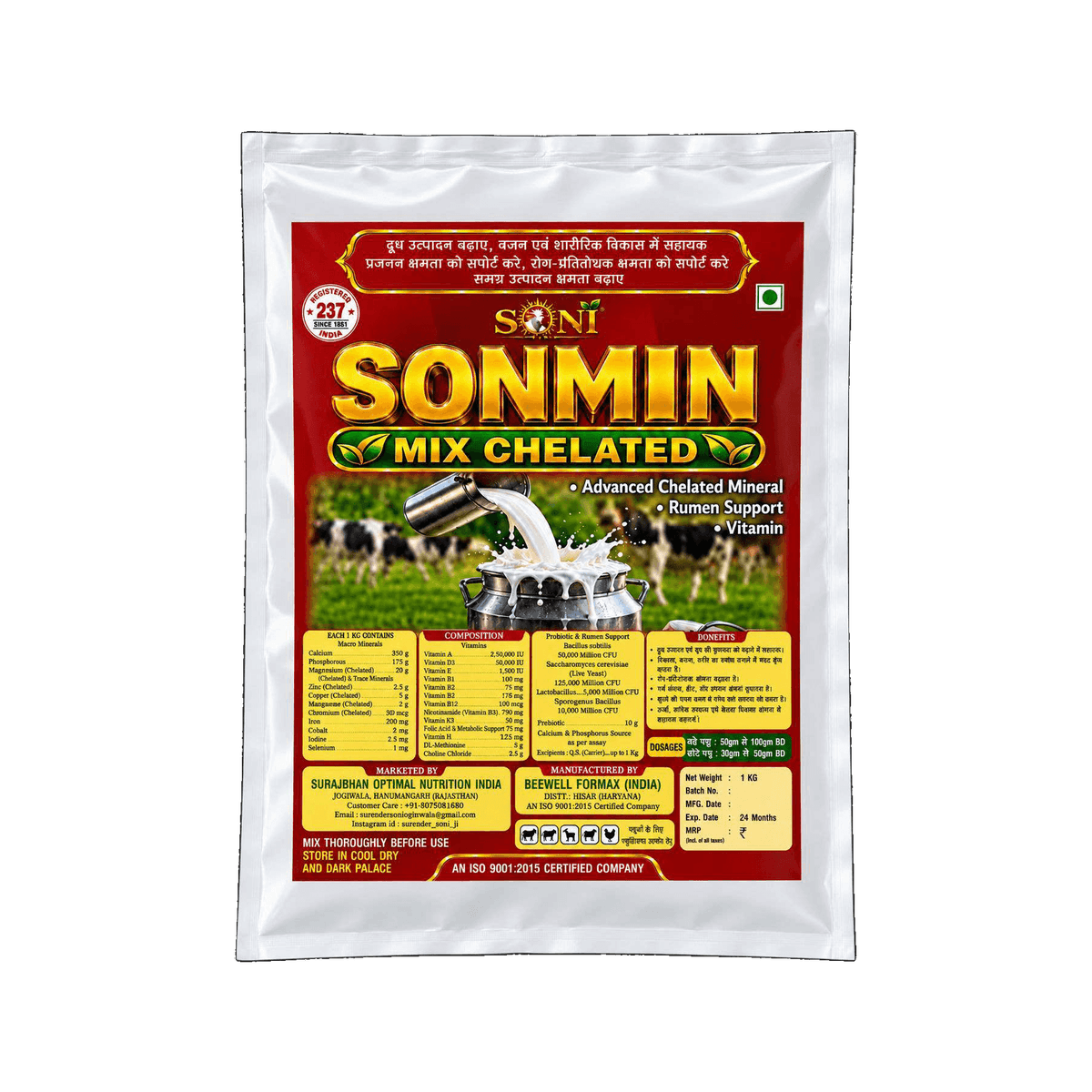
For herds facing persistent sub-clinical mastitis challenges, pair SONVITA H ADVANCE with daily mineral supplementation using SONMIN MIX CHELATED.
When to Consult a Qualified Veterinarian
Nutritional vitamins support tissue immunity and defense, but require immediate veterinary medical intervention if you encounter:
Frequently Asked Questions (FAQ)
How does SONVITA H ADVANCE help prevent mastitis?
SONVITA H ADVANCE supplies concentrated Biotin (Vitamin H) and chelated zinc, which accelerate the formation of dense germicidal keratin plugs inside teat canals. This physical barrier stops environmental bacteria from entering the udder between milkings.
Why is SONVITA H ADVANCE packaged in an aluminum bottle?
Vitamins A, D3, and Biotin are highly sensitive to ultraviolet light and heat. The premium aluminum container ensures 100% protection from light degradation, preserving peak vitamin potency until the last drop.
Can Vitamin H help heal cracked or bleeding teats?
Yes. Biotin and Vitamin A stimulate rapid re-epithelialization of teat skin, healing chapped, rough, and cracked teats within days of regular oral administration.
Does Vitamin H benefit animal hooves?
Yes. The biological mechanism that builds keratin in teats is identical to the mechanism that builds hard keratin in bovine hooves. Supplementing with Biotin significantly reduces foot rot, hoof cracks, and lameness.
Shop Formulations Mentioned in this Article
Dr. Surender Soni, B.V.Sc & A.H.Verified Author
Veterinary expert specializing in dairy cattle clinical nutrition, rumen metabolic disorders, and mineral bioavailability. Dedicated to providing dairy farmers across India with evidence-based guidance to maximize milk production and animal longevity.