10 Essential Animal Health Tips for Dairy Farmers to Prevent Common Diseases
Dr. Surender Soni, B.V.Sc & A.H.
Veterinary Nutritionist & Technical Director
Preventive healthcare is substantially more economical than therapeutic intervention. For progressive dairy farmers across India, implementing standard operating procedures in herd hygiene, biosecurity, and daily feeding protects livestock from debilitating diseases. Here are 10 indispensable animal health tips recommended by veterinary experts:
1. Maintain Consistent Feeding Schedules
Ruminant rumen bacteria thrive on consistency. Sudden changes in concentrate feed, roughage type, or feeding timing shock the rumen microbiome. When introducing new feeds or silage, transition gradually over a 7 to 10 day window.
2. Ensure Abundant, Clean Drinking Water
Water accounts for nearly 87% of milk composition. High-yielding dairy animals require between 80 to 120 liters of clean, cool drinking water daily. Water troughs must be cleaned weekly to prevent algae accumulation and bacterial growth.
3. Practice Strict Milking Hygiene and Pre/Post Teat Dipping
Over 80% of mastitis infections enter through the teat canal during or immediately after milking. Wash hands, use clean water and separate cloths for drying udders, and apply antiseptic teat dip after milking. Keep cows standing for at least 30 to 45 minutes post-milking while teat sphincter muscles close.
4. Provide Daily Chelated Mineral Mixtures
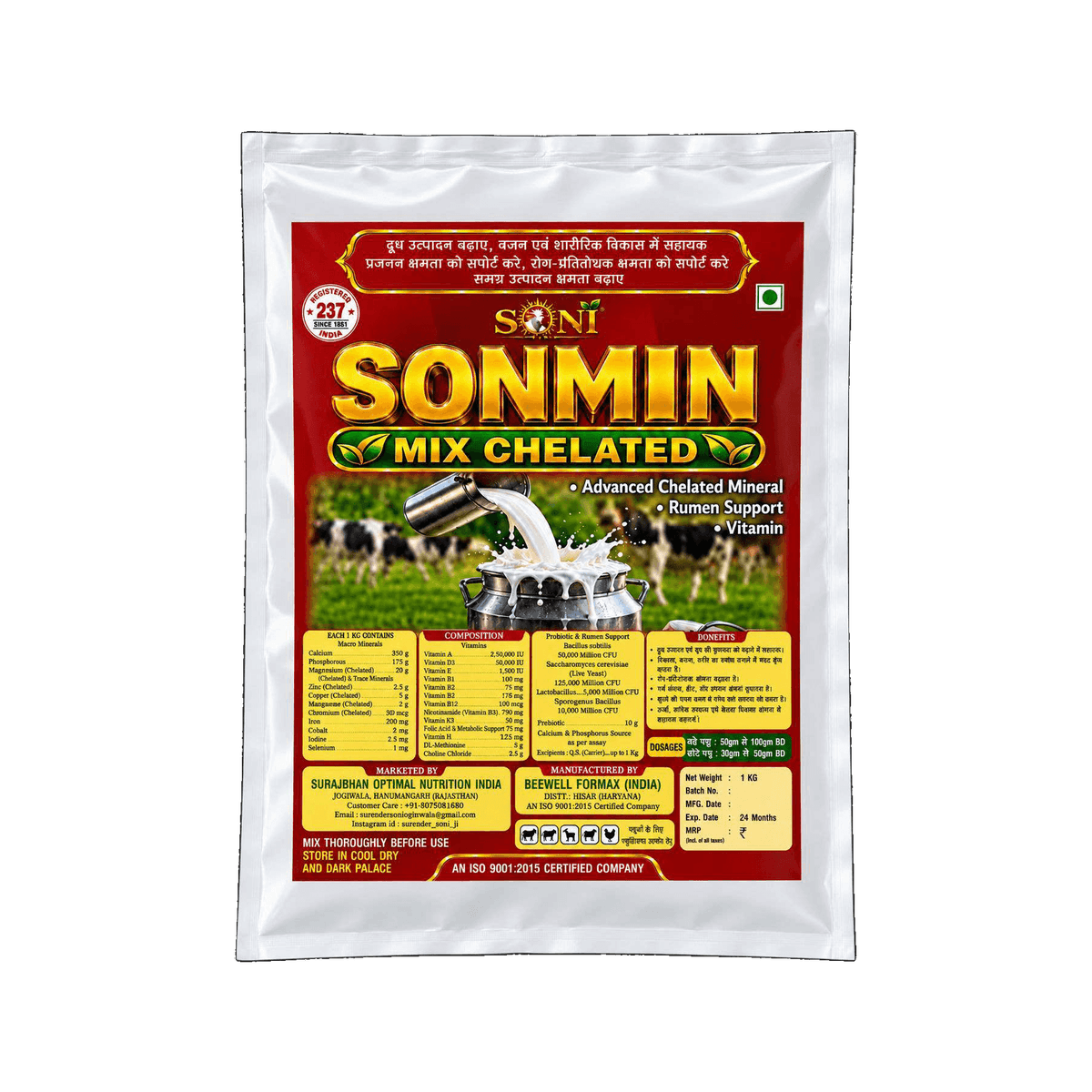
Never omit mineral mixtures from your daily dairy ration. Adding 50 to 100g of SONMIN MIX CHELATED supplies bioavailable trace elements that strengthen the immune response, prevent silent heat, and improve fertility.
5. Monitor Rumen Health and Cud Chewing
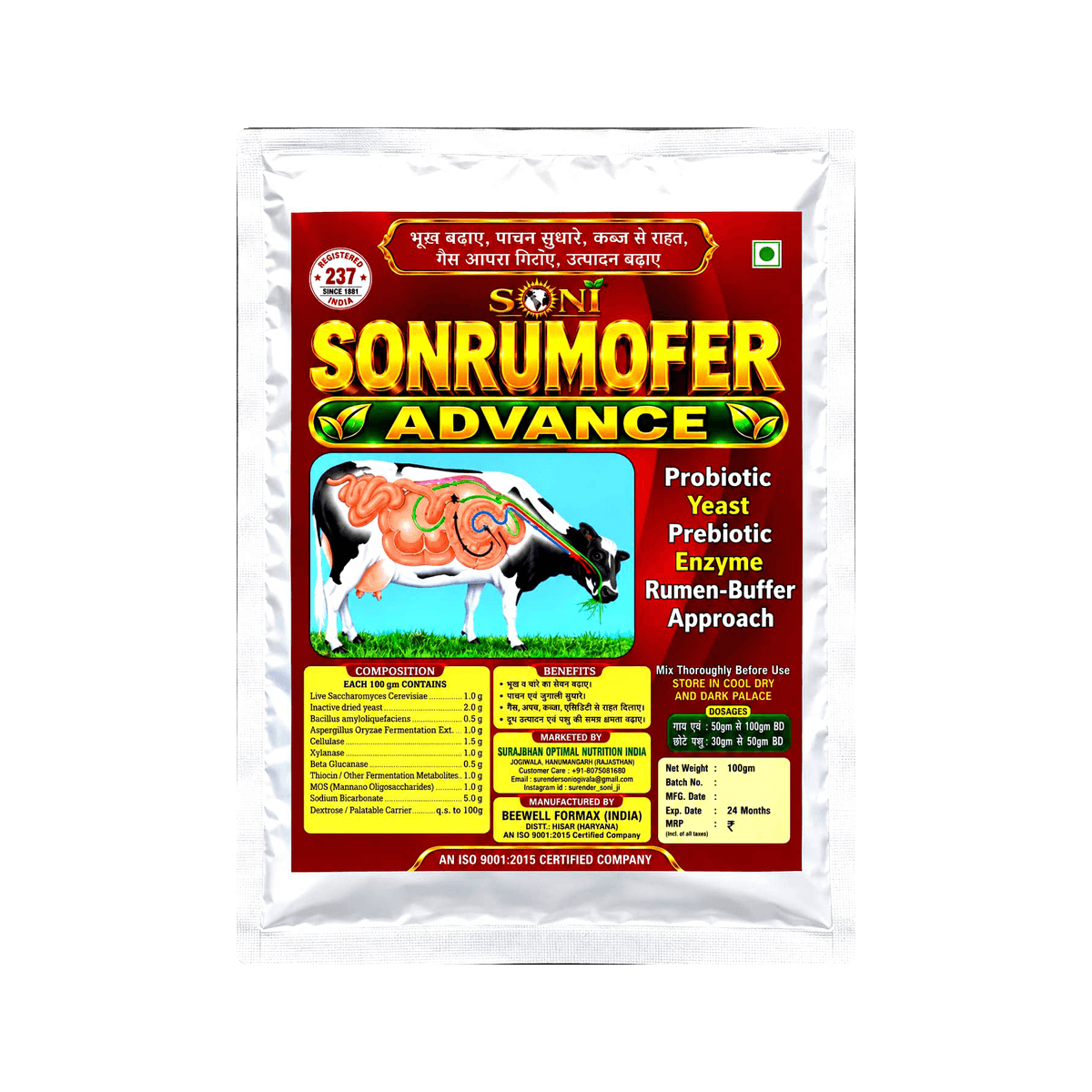
A healthy dairy cow chews her cud for 400 to 500 minutes daily, producing 100 to 150 liters of saliva that acts as a natural buffer. If cud chewing drops, immediately supplement with SONRUMOFER ADVANCE to restore live yeast populations and stabilize rumen pH.
6. Administer Oral Calcium at Calving
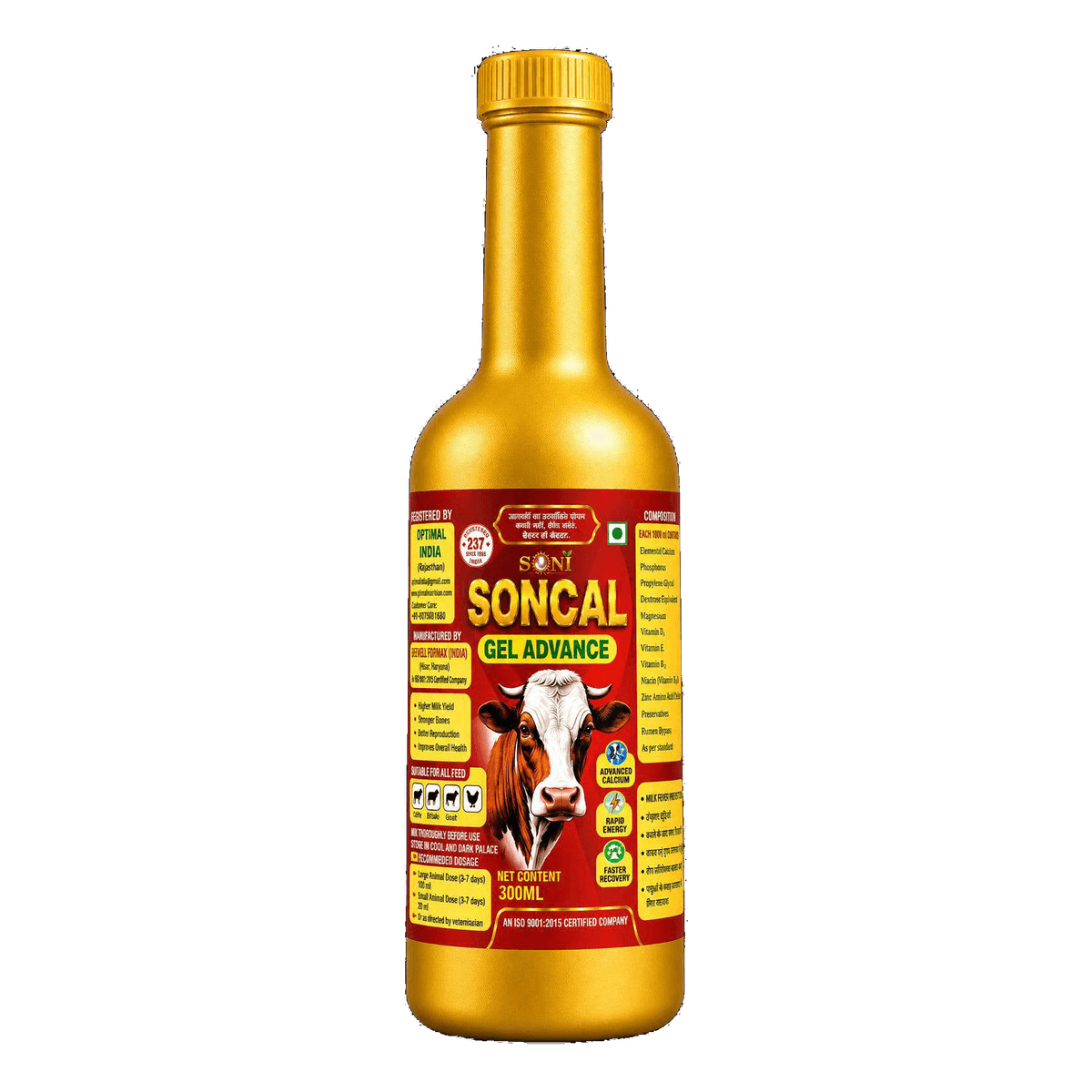
Prevent sub-clinical hypocalcemia by administering SONCAL GEL ADVANCE within 12 hours prior to calving and again 12 hours post-calving. This guarantees smooth calving, prevents milk fever, and lowers the risk of uterine infections.
7. Regular Deworming and Ectoparasite Control
Internal worms (flukes, roundworms) and external parasites (ticks, lice) siphon blood, nutrients, and cause tick-borne illnesses such as Theileriosis and Babesiosis. Follow a veterinarian-recommended rotational deworming calendar before monsoons and after winter.
8. Comfortable Flooring and Clean Bedding
Hard, slippery concrete floors cause foot lesions, joint swelling, and lameness. Use rubber cow mats or well-drained dry sand bedding to encourage cows to rest for at least 12 to 14 hours daily, which directly boosts udder blood circulation.
9. Optimize Heat Stress Management
Install fans, misters, and reflective roofing in sheds. In high humidity and temperatures above 30°C, cattle reduce feed intake and milk yield drops by 20-30%. Keep sheds well-ventilated and provide shade trees around paddock areas.
10. Keep Detailed Farm Records
Maintain simple records of vaccination dates, Artificial Insemination (AI) dates, heat cycles, calving dates, and daily milk yield per animal. Early detection of a 1-liter milk drop is the earliest warning indicator of fever or infection.
Shop Formulations Mentioned in this Article
Dr. Surender Soni, B.V.Sc & A.H.Verified Author
Veterinary expert specializing in dairy cattle clinical nutrition, rumen metabolic disorders, and mineral bioavailability. Dedicated to providing dairy farmers across India with evidence-based guidance to maximize milk production and animal longevity.