
Pan-India delivery • Free shipping over ₹1,999
Reproductive Care5 min read

Managing Vaginal and Uterine Prolapse in Dairy Cattle: Symptoms, Care Protocols & Recovery

DS

Dr. Surender Soni, B.V.Sc & A.H.

Veterinary Nutritionist & Technical Director
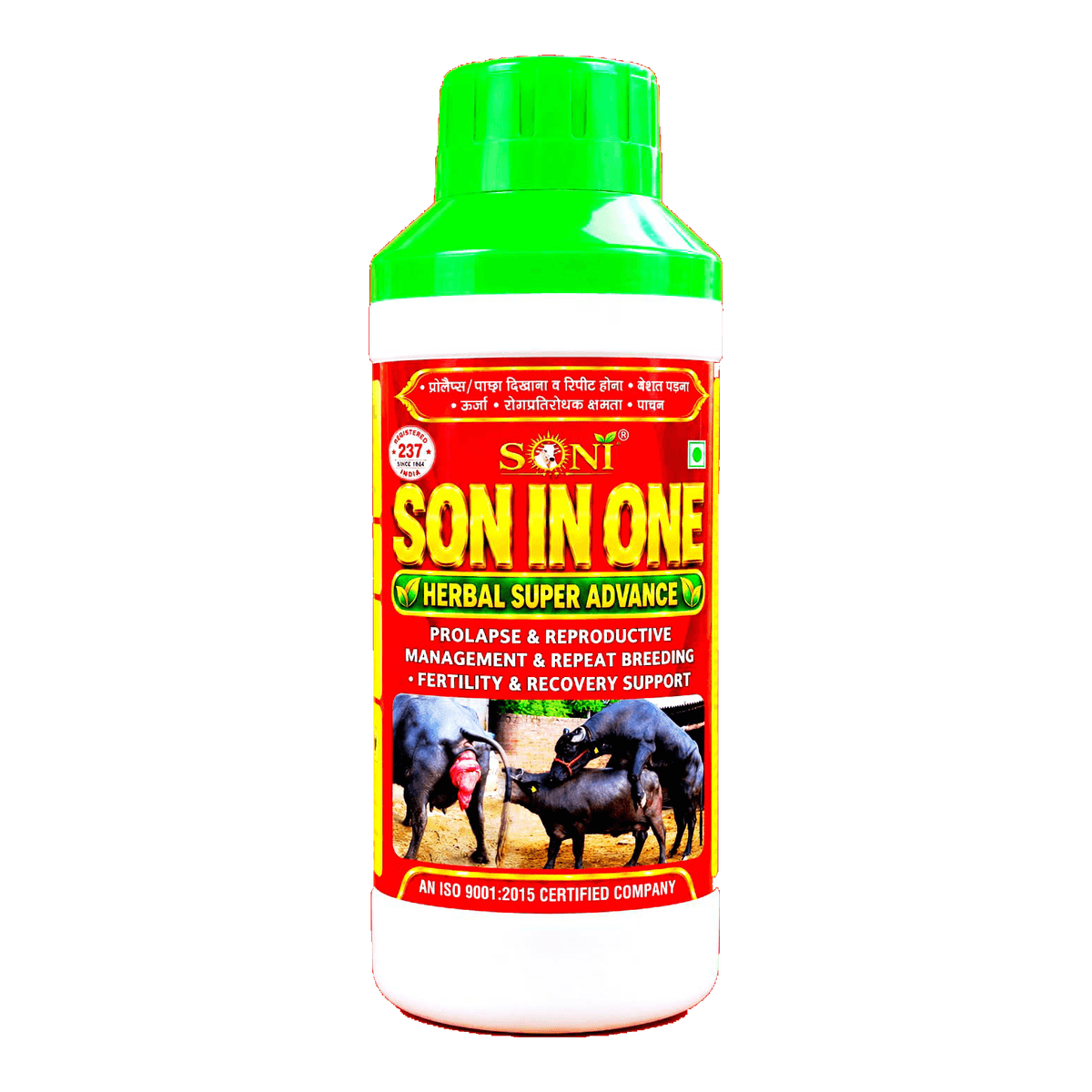
SON-IN-ONE HERBAL SUPER ADVANCE polyherbal reproductive tonic for prolapse and pelvic muscular tone in cattle
SON-IN-ONE HERBAL SUPER ADVANCE polyherbal reproductive tonic for prolapse and pelvic muscular tone in cattle • SONI Nutrition Scientific Resource
An essential veterinary clinical guide on identifying, managing, and preventing vaginal and uterine prolapse (फूल दिखाना / पाछा) in dairy cows and Murrah buffaloes.

Few conditions cause more anxiety and distress for dairy farmers than witnessing a pregnant or newly calved animal experience a prolapse—commonly known in Hindi as पाछा दिखाना, फूल बाहर निकलना, or शरीर दिखाना. Prolapse is a serious reproductive disorder in which portions of the reproductive tract (either the vaginal walls, cervix, or entire uterus) invert and protrude externally through the vulval lips. Without swift, hygienic management and targeted pelvic muscle support, prolapse leads to severe tissue trauma, sepsis, shock, and permanent loss of reproductive capability.

Distinguishing Between Vaginal Prolapse and Uterine Prolapse

It is clinically vital to distinguish between the two primary forms of prolapse:

1. Pre-Partum Vaginal Prolapse (गर्भावस्था में पाछा दिखाना)

Occurs most frequently during the final 2 to 3 months of pregnancy, especially in stall-fed crossbred cows and high-producing Murrah buffaloes.

  • The animal lies down, and a pink, grapefruit-sized smooth mass of vaginal mucosa protrudes between the vulval lips.
  • In early stages, the mass spontaneously retracts when the animal stands up.
  • In advanced stages, the mass remains permanently exteriorized, becoming congested, swollen, dry, and ulcerated from contact with dirty shed floors.
  • 2. Post-Partum Uterine Prolapse (ब्याने के बाद पूरी बच्चेदानी बाहर आना)

    Occurs exclusively within a few hours to several days *after* calving. This is a true veterinary emergency.

  • The entire uterine horn inverts completely inside out, forming a massive, deep-red, pear-shaped organ hanging down to the animal's hocks.
  • The surface is covered with large, mushroom-like maternal placental attachment sites (caruncles / cotyledons) that frequently bleed profusely.
  • The animal enters shock rapidly due to internal traction on the ovarian and uterine arteries.
  • Primary Causes of Pelvic Tissue Laxity and Prolapse

    Prolapse is a multi-factorial syndrome driven by anatomical, endocrine, and management factors:

  • Elevated Estrogen & Relaxin: In late gestation, the placenta secretes high levels of estrogen and relaxin to soften the birth canal, causing extreme relaxation of the pelvic ligaments and vaginal sphincter muscles.
  • Elevated Intra-Abdominal Pressure: A large growing fetus, twin pregnancies, heavy rumen fill, or excess abdominal fat exert immense backward pressure against the pelvic canal.
  • Sub-Clinical Hypocalcemia (Calcium Deficiency): Low blood calcium impairs smooth muscle tone throughout the uterus and vagina, allowing relaxed organs to telescope backward.
  • Sloped Shed Floors: Tying cows in stalls where the hindquarters slope downward places continuous gravitational pull on pelvic organs.
  • The Vicious Cycle of Tenesmus (Straining): Once vaginal mucosa exteriorizes, exposure to air, urine, and flies causes intense irritation. The animal reflexively strains (जोर लगाना) continuously, pushing the organ further out.
  • Emergency On-Farm First-Aid Protocol

    If prolapse occurs, dairy farmers must take immediate protective steps while awaiting veterinary intervention:

  • Keep the Animal Standing: Prevent the animal from lying down if possible, or position her with hindquarters elevated on bedding.
  • Protect the Exposed Organ: Cover the protruding organ immediately with a clean, wet bedsheet soaked in cold saline or potassium permanganate (Lal Dawa / KMNO4) solution to prevent trampling, tearing, or fecal contamination.
  • Relieve Straining: Cold application constricts engorged blood vessels and reduces localized swelling, minimizing the urge to strain.
  • Never Force Dry Organs: Never attempt to push dry, contaminated tissues back with dirty hands, as this tears uterine blood vessels and causes fatal peritonitis.
  • Polyherbal Restorative Support with SON-IN-ONE HERBAL SUPER ADVANCE

    Nutritional and herbal interventions provide targeted support to strengthen relaxed pelvic muscles, relieve tenesmus, and accelerate tissue recovery:

  • ***Quercus infectoria* (Majuphal) & *Bombax ceiba* (Mochras):** Legendary herbal astringents rich in natural gallotannins. They act directly on congested vaginal mucosal capillaries, shrinking swollen tissues and halting localized bleeding.
  • ***Mimosa pudica* (Lajjalu):** Exhibits potent anti-spasmodic and muscle-toning actions, calming uncontrollable tenesmus (straining) and reducing irritation in pelvic nerve endings.
  • ***Symplocos racemosa* (Lodhra) & *Saraca asoca* (Ashoka):** Restore structural integrity to smooth myometrial and pelvic ligament fibers, preventing recurrent prolapse.
  • ***Asparagus racemosus* (Shatavari) & *Rubia cordifolia* (Manjistha):** Purify localized circulation, reduce uterine inflammation, and support tissue healing.
  • Bio-Assimilable Calcium Factors: Restores cellular calcium reserves to re-establish muscular tone in the pelvic floor.
  • Application Guidelines for Farmers

  • At First Sign of Pre-Partum Prolapse (पाछा दिखते ही): Administer 100ml to 200ml of SON-IN-ONE HERBAL SUPER ADVANCE orally twice daily for 3 to 5 consecutive days. This tightens pelvic musculature, controls straining, and prevents progressive vaginal exteriorization.
  • Post-Calving and Post-Repositioning Care: After a veterinarian has successfully repositioned a prolapsed organ, administer 100ml twice daily for 4 to 5 days to prevent post-operative straining and eliminate the need for painful vulval rope trusses or retainers.
  • To prevent calcium-related uterine inertia, administer SONCAL GEL ADVANCE at calving.

    When to Call an Emergency Veterinary Doctor

    A registered veterinary surgeon must be summoned immediately if:

  • Complete uterine prolapse occurs post-calving (requires epidural anesthesia, specialized antiseptic flushing, and manual repositioning).
  • The protruding organ is lacerated, bleeding heavily, or dark purple/black with foul odor (gangrene).
  • The cow is in shock, recumbent, or unable to urinate due to bladder entrapment within the prolapsed vaginal fold.
  • Frequently Asked Questions (FAQ)

    Can a cow that showed prolapse in pregnancy deliver normally?

    Yes, provided the prolapse is managed early. Administering SON-IN-ONE HERBAL SUPER ADVANCE to control straining and maintain tissue tone allows the cervix to dilate and deliver a normal calf without complications.

    Why do buffaloes show prolapse more frequently than cows?

    Murrah buffaloes possess deeper pelvic structures and higher estrogen sensitivity during late gestation. Furthermore, stall-feeding without exercise and tied placement on sloping concrete floors predisposes buffaloes to higher prolapse incidence.

    Should ropes or harnesses be tied to prevent prolapse?

    Traditional rope harnesses (छींका / नेवा) should only be used as a temporary emergency measure under veterinary advice. If applied improperly, dirty ropes cause severe chafing, lacerations, and tetanus. Strengthening pelvic muscle tone with SON-IN-ONE HERBAL SUPER ADVANCE addresses the root biological cause naturally.

    How does SON-IN-ONE HERBAL SUPER ADVANCE reduce straining?

    Bioactive extracts of Majuphal, Lajjalu, and Mochras contain natural astringent and anti-spasmodic agents that reduce mucosal swelling and desensitize irritated nerve endings, effectively breaking the reflex straining cycle.

    Recommended Veterinary Solutions For This Guide

    Shop Formulations Mentioned in this Article
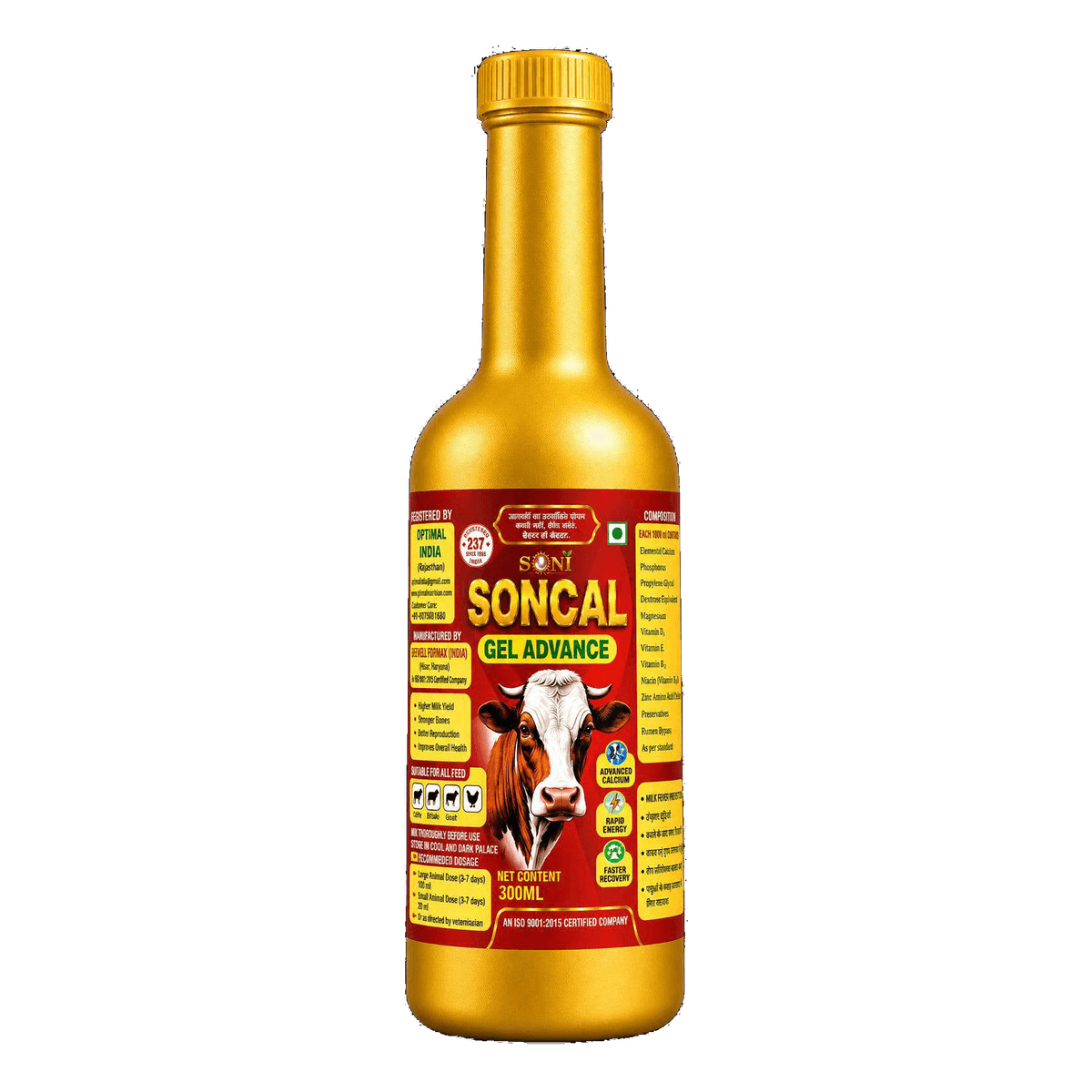
    SONCAL GEL ADVANCE

    SONCAL GEL ADVANCE

    Advanced Calcium • Rapid Energy • Faster Recovery • Milk Fever Prevention

    View
    SS

    Dr. Surender Soni, B.V.Sc & A.H.Verified Author

    Veterinary expert specializing in dairy cattle clinical nutrition, rumen metabolic disorders, and mineral bioavailability. Dedicated to providing dairy farmers across India with evidence-based guidance to maximize milk production and animal longevity.
    Related Veterinary Guides

    Continue learning with related animal health publications

    View All