Pan-India delivery • Free shipping over ₹1,999
Post-Calving & Uterine Health5 min read

Retained Placenta and Post-Calving Uterine Cleansing: Safe Management & Metritis Prevention

DS

Dr. Surender Soni, B.V.Sc & A.H.

Veterinary Nutritionist & Technical Director
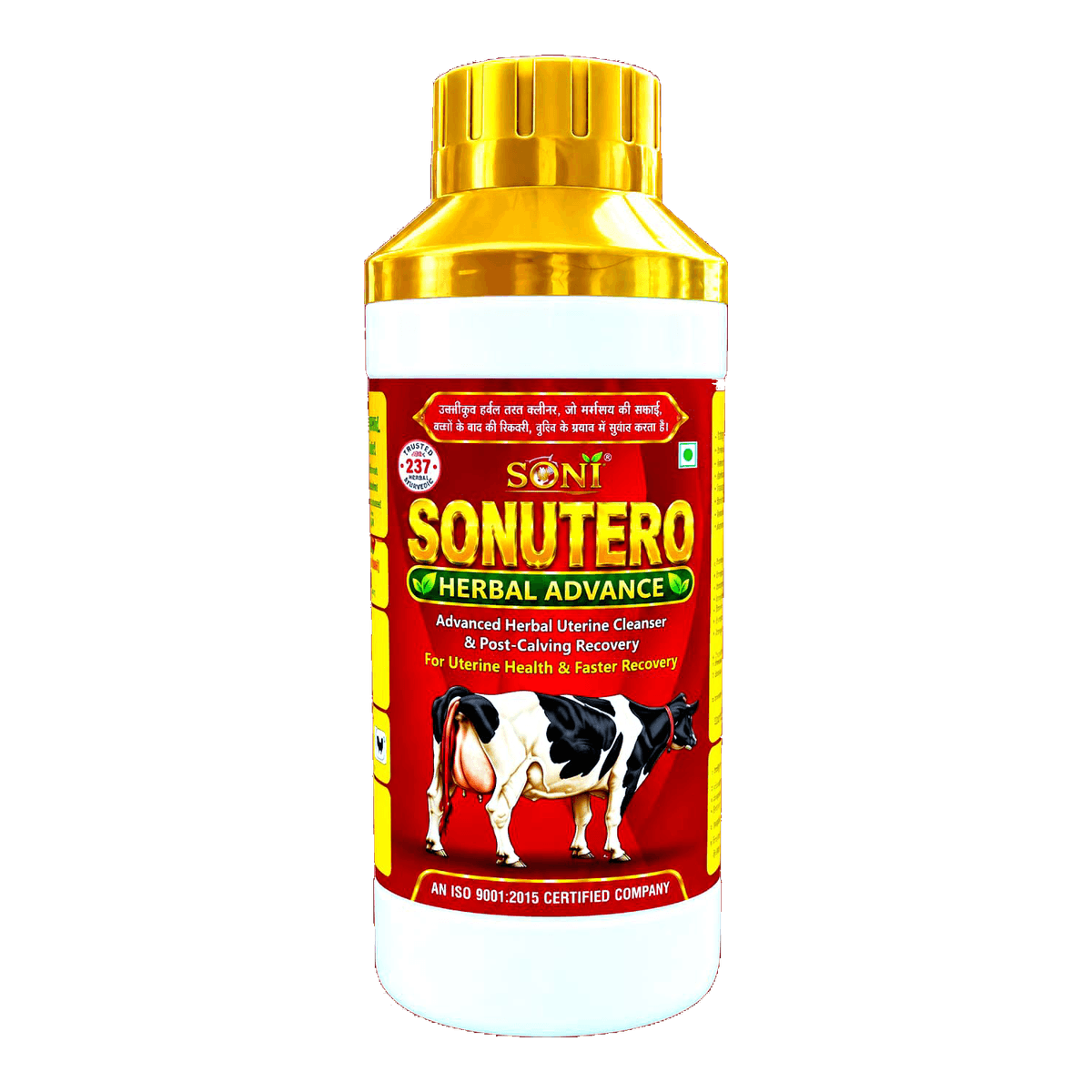
SONUTERO HERBAL ADVANCE herbal ecbolic uterine cleanser for retained placenta and post-calving recovery in cattle
SONUTERO HERBAL ADVANCE herbal ecbolic uterine cleanser for retained placenta and post-calving recovery in cattle • SONI Nutrition Scientific Resource
A veterinary clinical guide on normal placental detachment, managing Retained Fetal Membranes (ROP / जेर), avoiding manual removal dangers, and herbal uterine cleansing.

Calving represents the culmination of nine months of gestation, but it also ushers in the most vulnerable stage in a dairy animal's life. Following the expulsion of the calf, the uterus must execute a complex sequence of physiological events: detach and expel the fetal membranes (placenta / जेर), contract smooth myometrial muscles, discharge toxic lochial fluids, and shrink back to non-pregnant dimensions (uterine involution). When the placenta fails to separate within 8 to 12 hours post-calving, Retention of Placenta (ROP) occurs, posing severe risks of toxic metritis, pyometra, systemic toxemia, and permanent infertility.

Normal Placental Separation vs. Retained Placenta (ROP)

In ruminants, the placenta is epitheliochorial and cotyledonary, consisting of 70 to 120 individual buttons where fetal villi (cotyledons) interlock tightly with maternal caruncles (forming placentomes).

  • Under normal physiological conditions, calving triggers massive surges of oxytocin and prostaglandin F2-alpha, causing rhythmic uterine contractions.
  • Concurrently, maternal proteolytic collagenase enzymes degrade the intercellular cement binding the cotyledons to caruncles.
  • In a healthy cow or buffalo, the entire placenta is naturally cast off within 4 to 6 hours post-calving.
  • If the fetal membranes remain unexpelled beyond 12 hours, it is officially diagnosed as Retained Placenta (ROP / जेर रुकना).

    Primary Causes of Placental Retention

    Placental retention is rarely an isolated accident; it is the visible consequence of underlying metabolic or infectious disturbances:

  • Hypocalcemia and Calving Weakness: Calcium is required for myometrial muscle contractions. Sub-clinical hypocalcemia causes uterine inertia, leaving the organ too weak to expel membranes.
  • Dystocia and Prolonged Labor: Difficult calvings, abnormal fetal presentations, or uterine torsion exhaust muscle energy reserves.
  • Premature Births or Induced Calving: Cotyledons have not reached natural biochemical maturity and cannot separate from maternal caruncles.
  • Nutritional Deficiencies (Vitamin E & Selenium): Inadequate antioxidant reserves prevent proper cotyledonary collagenolysis.
  • Infectious Abortions: Brucellosis, IBR, Leptospirosis, or fungal infections trigger severe placentitis, creating fibrous adhesions.
  • The Grave Dangers of Manual Removal (हाथ से जेर खिंचवाना)

    One of the most dangerous and outdated practices in dairy management is calling an untrained practitioner to manually rip or pull the retained placenta out with bare hands:

  • Severe Hemorrhage: Tearing unseparated cotyledons rips maternal caruncular blood vessels, causing massive internal bleeding.
  • Endometrial Scarring & Pyometra: Manual entry introduces environmental pathogens deep into the exhausted uterus, triggering necrotic metritis, chronic foul pus accumulation (pyometra), and permanent sterility.
  • High Mortality Risk: Sepsis caused by manual tearing is a leading cause of post-calving mortality in high-yielding Murrah buffaloes.
  • Modern veterinary science strictly advises against manual removal! The correct, safe protocol relies on natural ecbolic uterine cleansers that stimulate physiological myometrial contractions and enzymatic detachment.

    Safe Uterine Cleansing with SONUTERO HERBAL ADVANCE

    Formulated with classical Ayurvedic ecbolic and uterine cleansing botanicals, SONUTERO HERBAL ADVANCE provides a safe, highly effective protocol:

  • ***Aloe vera* & *Peganum harmala* (Harmal):** Potent natural ecbolic stimulants that induce gentle, rhythmic, sustained myometrial contractions to naturally detach and expel retained membranes without violent spasms.
  • ***Macrotyloma uniflorum* (Kulthi) & *Gloriosa superba*:** Highly regarded in classical veterinary texts for accelerating the breakdown of placentomal adhesions and expelling retained lochial fluids.
  • ***Abroma augusta* (Ulatkambal) & Trigonella (Methi):** Restores physiological tone to relaxed uterine walls and accelerates postpartum uterine involution.
  • **Dashmool, Sonth, & Haldi (*Curcuma longa*):** Provides broad-spectrum natural anti-inflammatory and antiseptic defense, clearing foul lochial discharge and preventing toxic metritis.
  • Molasses / Jaggery Palatable Base: Delivers instant energy to exhausted fresh cows and ensures ready oral consumption.
  • Recommended Administration Protocol

    For freshly calved cows and buffaloes:

  • Immediate Post-Calving Preventive Dose: Administer 200ml of SONUTERO HERBAL ADVANCE orally within 1 to 2 hours after calving. This stimulates rapid expulsion of the placenta within the normal window.
  • If Placenta is Retained (After 2 to 3 Hours): Administer an additional 250ml to stimulate caruncular detachment and smooth expulsion.
  • Lochial Cleansing & Uterine Involution: Continue administering 100ml twice daily for 3 to 4 days post-calving. This thoroughly flushes out dirty, dark lochial discharge (मैला छंटाई), restores the uterus to its normal size, and ensures the cow returns to fertile heat within 60 to 90 days.
  • To ensure adequate smooth muscle tone, administer SONCAL GEL ADVANCE alongside SONUTERO HERBAL ADVANCE at calving.

    When to Summon an Emergency Veterinarian

    Consult a veterinary professional immediately if:

  • The animal develops high fever (>103.5°F), complete loss of appetite, and depression.
  • Uterine discharge becomes watery, reddish-brown, and intensely putrid (signs of acute toxic septic metritis requiring systemic injectable antibiotics and anti-inflammatories).
  • The retained placenta is accompanied by uterine prolapse.
  • Frequently Asked Questions (FAQ)

    What should I do if the placenta is hanging out of my cow?

    Never tie bricks, stones, or heavy weights to the hanging placenta, as this tears maternal blood vessels. Cut the hanging portion at hock level so the cow does not step on it or soil it, and administer SONUTERO HERBAL ADVANCE to stimulate natural expulsion.

    How long can a cow safely retain the placenta before it becomes dangerous?

    If the placenta is not expelled within 12 hours, infection begins to colonize the uterine cavity. Initiating herbal ecbolic therapy with SONUTERO HERBAL ADVANCE within the first 6 to 12 hours maximizes safe expulsion and prevents severe toxic metritis.

    Why is "Maila Chhantai" (मैला छंटाई) so important after calving?

    After calving, the uterus contains large volumes of necrotic caruncular tissue, blood, and fluids (lochia). If these fluids remain trapped inside, they become a breeding ground for bacteria, causing chronic endometritis and repeat breeding. Daily administration of SONUTERO HERBAL ADVANCE for 3 to 4 days ensures complete uterine cleansing.

    Can SONUTERO HERBAL ADVANCE be given if the placenta came out normally?

    Yes! Even when the placenta drops normally, administering SONUTERO HERBAL ADVANCE for 3 to 4 days cleanses lingering lochial fluids, accelerates uterine shrinkage, and prepares the cow for early, fertile breeding.

    Recommended Veterinary Solutions For This Guide

    Shop Formulations Mentioned in this Article
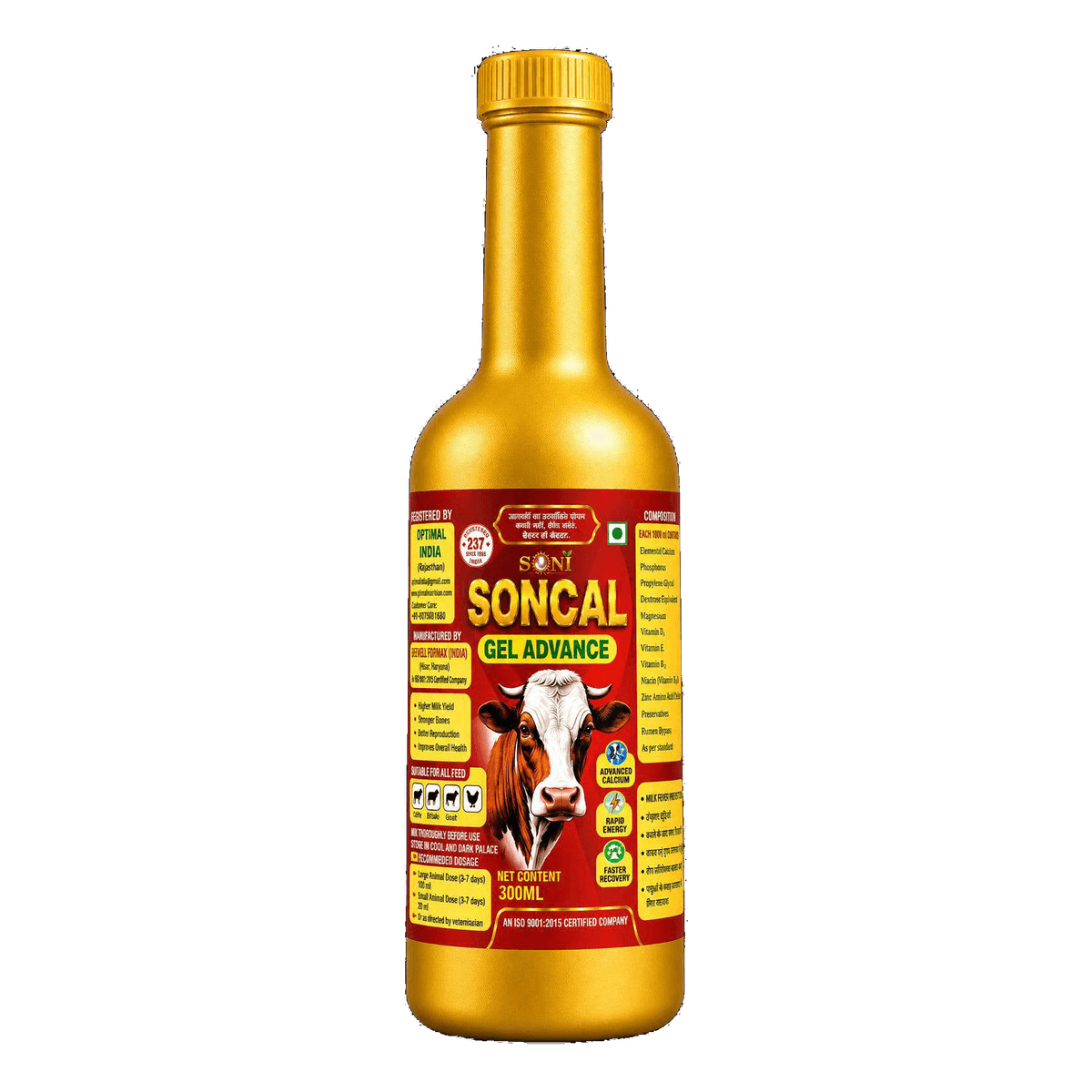
    SONCAL GEL ADVANCE

    SONCAL GEL ADVANCE

    Advanced Calcium • Rapid Energy • Faster Recovery • Milk Fever Prevention

    View
    SONUTERO HERBAL ADVANCE

    SONUTERO HERBAL ADVANCE

    Advanced Herbal Uterine Cleanser & Post-Calving Recovery

    View
    SS

    Dr. Surender Soni, B.V.Sc & A.H.Verified Author

    Veterinary expert specializing in dairy cattle clinical nutrition, rumen metabolic disorders, and mineral bioavailability. Dedicated to providing dairy farmers across India with evidence-based guidance to maximize milk production and animal longevity.
    Related Veterinary Guides

    Continue learning with related animal health publications

    View All