Overcoming Repeat Breeding and Infertility in Dairy Cows: Practical Management & AI Success
Dr. Surender Soni, B.V.Sc & A.H.
Veterinary Nutritionist & Technical Director
In the economics of modern dairy husbandry, an open (non-pregnant) cow is a financial liability. To maximize lifetime profitability, a dairy cow should produce one healthy calf every 12 to 13 months. However, the widespread prevalence of Repeat Breeding Syndrome—where animals cycle regularly, show normal heat, are inseminated properly, yet fail to conceive after three or more successive services—devastates herd profitability through extended calving intervals, wasted insemination semen costs, and premature culling.
Defining the Repeat Breeder Cow
A repeat breeder is clinically defined as a cow or buffalo that:
Primary Etiological Factors Behind Conception Failure
Repeat breeding is not a single disease, but a complex syndrome resulting from two primary failure points: Failure of Fertilization and Early Embryonic Mortality.
1. Sub-Clinical Endometritis
Sub-clinical uterine infections are the most common cause of early embryonic death. While the uterus appears normal on physical examination, microscopic pathogenic colonization causes chronic inflammation of the endometrium. The uterine lumen fills with microscopic leukocytes and toxic cytokines that destroy the fragile embryo before maternal recognition of pregnancy occurs (Days 14–16).
2. Delayed Ovulation & Anovulatory Cycles
Under normal endocrine conditions, ovulation occurs 10 to 14 hours after the end of standing heat. However, hormonal imbalances (sub-optimal Luteinizing Hormone / LH surges) frequently delay follicular rupture by 24 to 48 hours. By the time the ovum is finally released, the inseminated spermatozoa have already aged and lost viability in the oviduct.
3. Faulty AI Timing (The AM-PM Rule)
Accurate estrus detection is vital. Dairy cattle first showing standing heat in the morning should be inseminated that evening; cows showing standing heat in the evening should be inseminated the following morning. Inseminating too early or too late ensures fertilization failure.
4. Poor Luteal Function & Progesterone Deficiency
The corpus luteum must secrete robust concentrations of progesterone to transform the endometrium into a nutrient-rich secretory bed. Sub-functional luteal tissue leads to embryonic starvation and resorption.
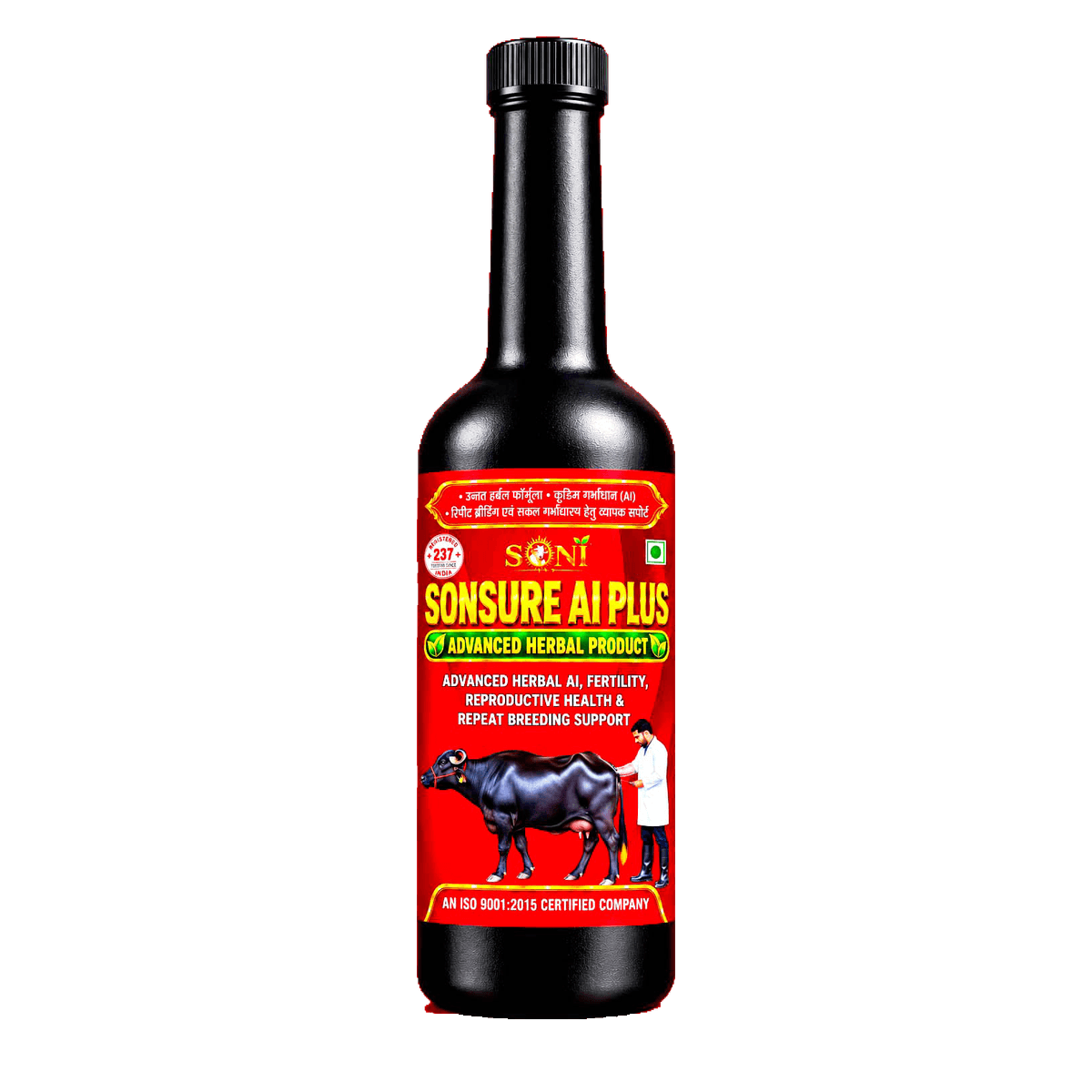
Phytochemical Reproductive Management with SONSURE AI PLUS
Targeted veterinary herbal therapeutics provide proven, hormone-free support to prepare the reproductive tract and enhance conception rates:
Step-by-Step AI Administration Protocol
To maximize the success rate of Artificial Insemination (AI) or natural service:
This simple 2-day protocol calms uterine spasms, neutralizes inflammatory secretions, and nourishes the uterine lining during the critical fertilization window.
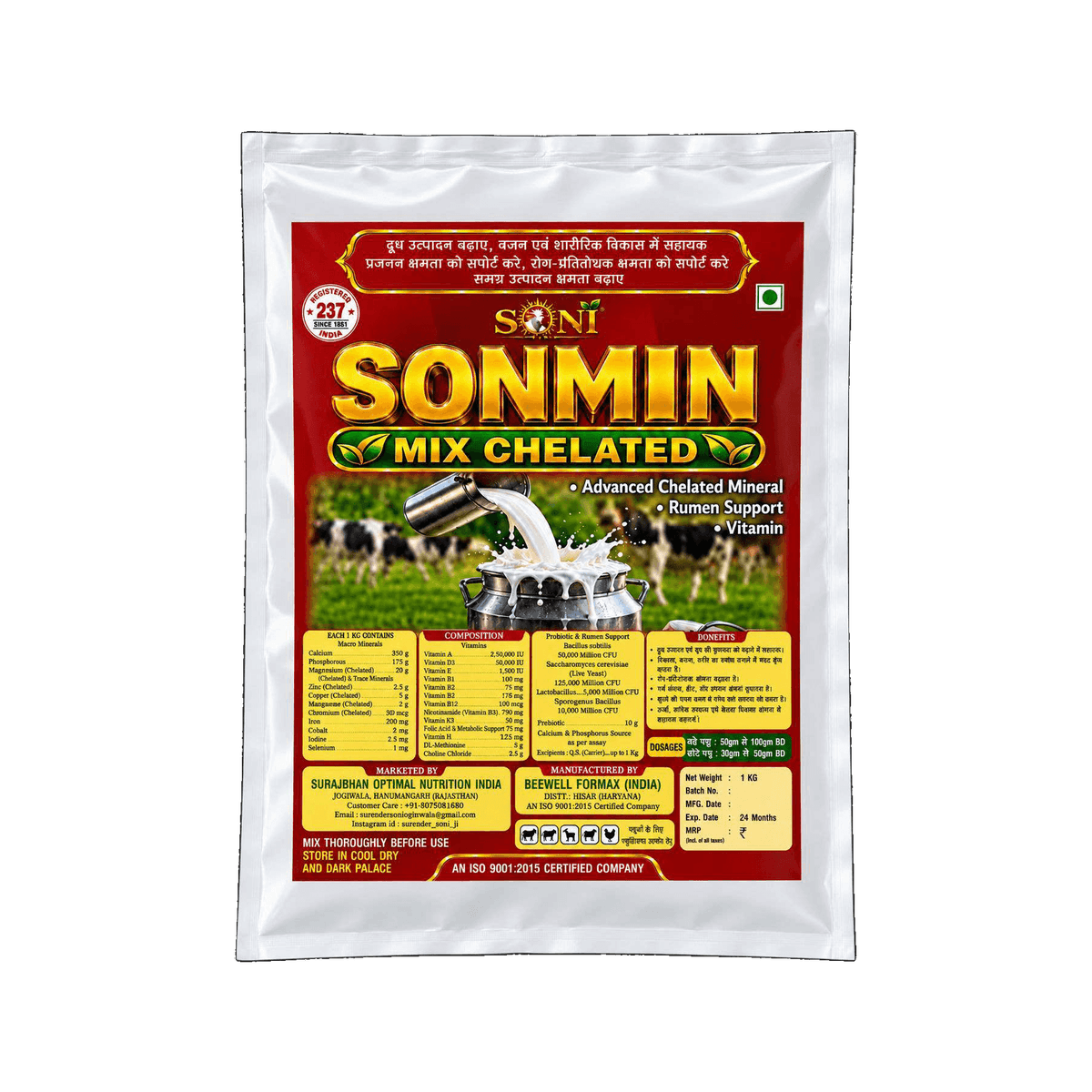
For comprehensive herd fertility, ensure animals receive daily trace mineral supplementation with SONMIN MIX CHELATED to supply chelated zinc, copper, and chromium necessary for steroidogenesis.
Best Management Practices for Dairy Farmers
When to Consult a Qualified Veterinarian
Consult a veterinarian immediately if:
Frequently Asked Questions (FAQ)
When should SONSURE AI PLUS be administered?
Administer 250ml on the exact day of Artificial Insemination (shortly after the semen is deposited) and 250ml the following morning.
Can SONSURE AI PLUS be given during natural bull mating?
Yes. The protocol is identical. Administer 250ml immediately after natural mating and 250ml the following morning to promote smooth conception and embryo survival.
Why do cows repeat breeding despite having clear heat discharge?
Clear discharge confirms normal estrogen levels, but repeat breeding frequently occurs due to delayed ovulation (egg released too late) or luteal insufficiency (early embryonic death around Day 14 due to lack of progesterone).
Is SONSURE AI PLUS safe if the animal has already conceived?
Yes. SONSURE AI PLUS is formulated with gentle, restorative Ayurvedic botanicals like Shatavari and Ashoka that nourish the uterine endometrium and support natural pregnancy maintenance.
Shop Formulations Mentioned in this Article
Dr. Surender Soni, B.V.Sc & A.H.Verified Author
Veterinary expert specializing in dairy cattle clinical nutrition, rumen metabolic disorders, and mineral bioavailability. Dedicated to providing dairy farmers across India with evidence-based guidance to maximize milk production and animal longevity.