Preventing Bovine Ketosis and Negative Energy Balance: Nutritional Management in Fresh Cows
Dr. Surender Soni, B.V.Sc & A.H.
Veterinary Nutritionist & Technical Director
In high-yielding dairy cattle and Murrah buffaloes, the first 60 days following parturition represent a period of profound metabolic strain. Modern dairy genetics allow cows to produce immense volumes of milk immediately after calving. However, physiological dry matter intake (DMI) lags significantly behind this surging demand. This fundamental mismatch plunges the animal into Negative Energy Balance (NEB), precipitating the metabolic disease known as Bovine Ketosis (Acetonemia). Left unchecked, ketosis triggers precipitous milk drops, rapid body wasting, and severe fatty liver syndrome.
The Biochemistry of Negative Energy Balance (NEB)
To appreciate how ketosis develops, one must examine the cow's internal fuel economy:
Clinical vs. Sub-Clinical Ketosis: Recognizing the Warning Signs
Ketosis manifests in two distinct clinical presentations:
1. Sub-Clinical Ketosis (The Invisible Thief)
Affects up to 40% of early-lactation dairy herds:
2. Clinical Ketosis (Acetonemia)
Occurs when blood BHBA exceeds 3.0 mmol/L:
Rapid Glucogenic Intervention with SONKETO ENERGY PLUS
Resolving ketosis requires supplying instant, concentrated glucogenic precursors that bypass the rumen and provide the liver with the biochemical fuel needed to clear ketone bodies and restart glucose synthesis.
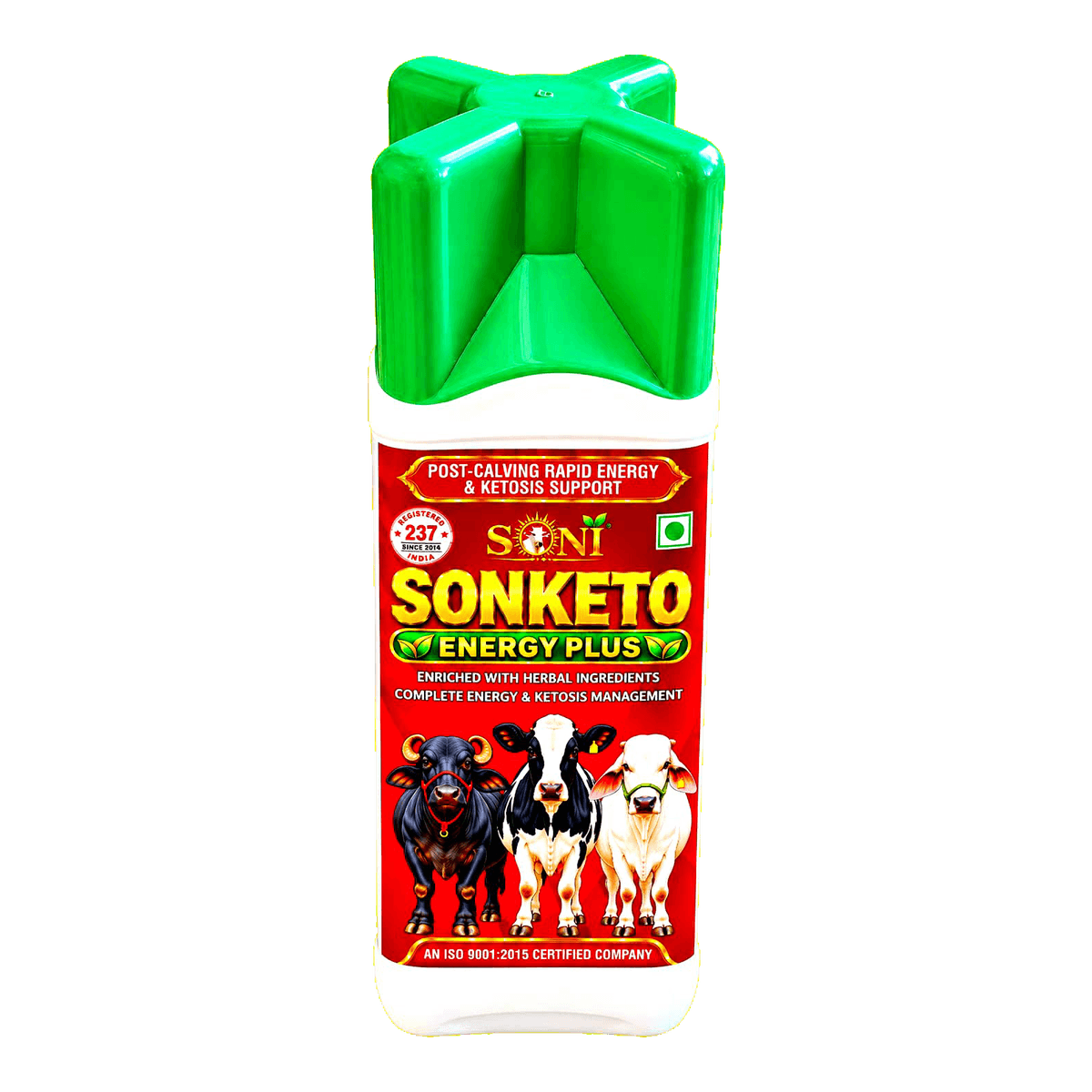
Formulated in an innovative green cross-top container for easy identification, SONKETO ENERGY PLUS provides emergency glucogenic nutrition:
Recommended Administration Protocol
For fresh cows and high-yielding dairy animals:
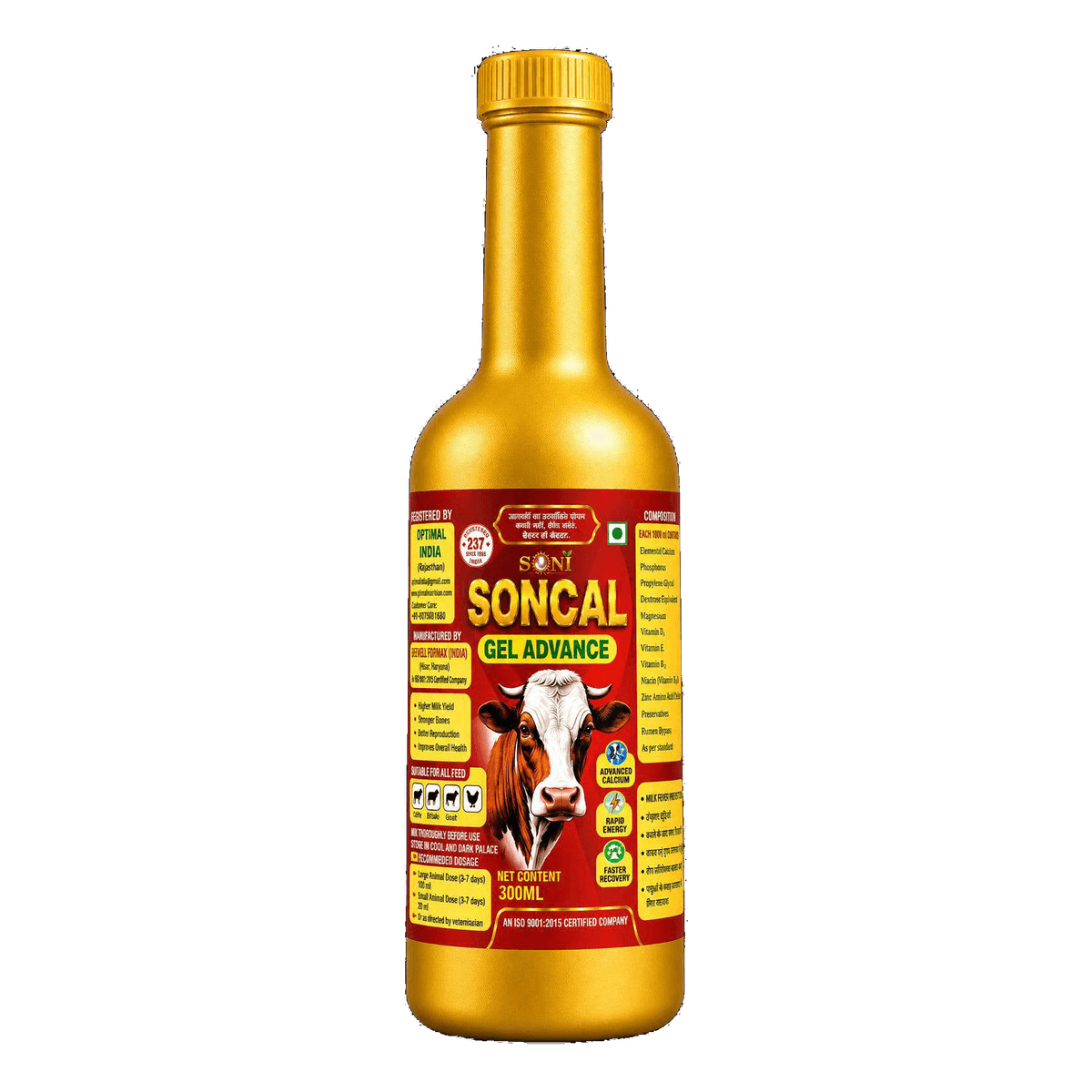
To address both energy and calcium deficits simultaneously during the transition period, administer SONCAL GEL ADVANCE alongside SONKETO ENERGY PLUS.
Herd Management Strategies to Prevent Ketosis
When to Consult a Qualified Veterinarian
Seek immediate veterinary medical intervention if:
Frequently Asked Questions (FAQ)
What causes the sweet, acetone smell in a cow's breath during ketosis?
When the liver is overwhelmed by fatty acids, it produces excess acetoacetate, which spontaneously breaks down into volatile acetone. This acetone is exhaled through the lungs, creating a distinctive fruity or sweet aroma.
How quickly does SONKETO ENERGY PLUS restore appetite?
Because propylene glycol and propionic salts absorb within minutes across the rumen wall, blood glucose rises swiftly. Most ketotic animals resume eating concentrate feed within 12 to 24 hours of administration.
Is ketosis more common in cows or buffaloes?
Both high-yielding crossbred cows and Murrah buffaloes are highly susceptible. However, crossbred cows (HF and Jersey crosses) producing 20+ liters daily experience the highest incidence due to intense genetic lactation drive.
Can feeding extra mustard cake or cottonseed cake resolve ketosis?
No. Oil cakes are rich in protein and fat, but lack glucogenic propionate precursors. Feeding extra fats during ketosis actually overburdens the liver. Supplying glucogenic precursors through specialized nutritional supplements like SONKETO ENERGY PLUS provides the necessary metabolic precursors to help restore energy balance.
Shop Formulations Mentioned in this Article
Dr. Surender Soni, B.V.Sc & A.H.Verified Author
Veterinary expert specializing in dairy cattle clinical nutrition, rumen metabolic disorders, and mineral bioavailability. Dedicated to providing dairy farmers across India with evidence-based guidance to maximize milk production and animal longevity.